
Pelvic Health
Hip Pain and the Pelvic Floor: 3 Signs They're Connected
Hip pain that keeps coming back isn't always the hip. A pelvic floor PT in Anaheim Hills explains 3 signs your pelvic floor is involved, and what helps.
7 min read
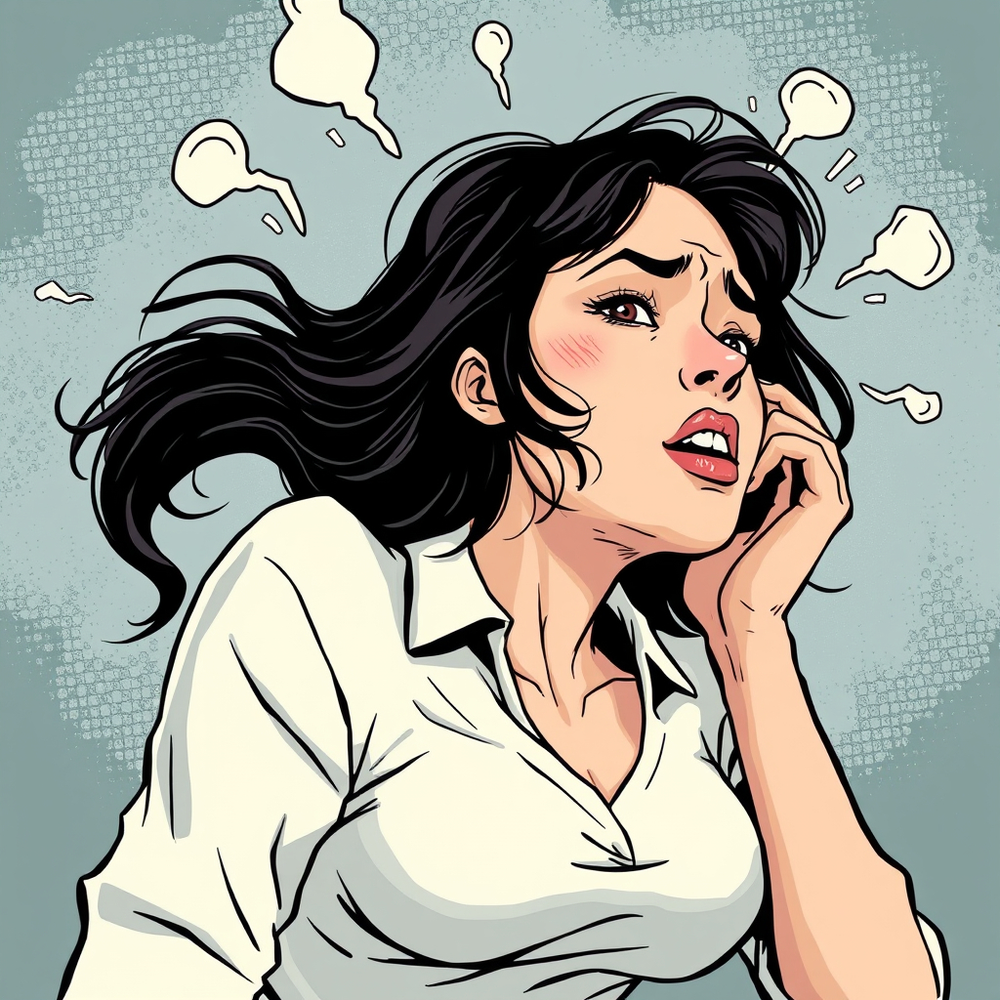
When Trying Everything Isn't Working
What is a complex case?
It’s feeling like you have too many symptoms that don’t make sense.
It’s having 1 or 2 symptoms that don’t change no matter what you do.
It’s uncertainty if something was helpful or not helpful.
It’s that constant feeling in the back of your mind of feeling unsafe in your own body.
It’s hopping from doctor to doctor and getting too many possible diagnoses or meds.
It’s hopping from doctor to doctor and being told to just “relax”, it’s all in you’re head.
It’s feeling like you would be better if you just did all the things you “should” be doing.
It’s doing everything you can think of to help yourself, until you’re emotionally exhausted.
It’s ALL of these and more.
So what do you do? Here’s a few tips:
1. Sometimes the answer is cutting back and taking a break from “everything”.
I know – easier said than done. But something I love to do with patients is take a look at everything they try to do in a day and start crossing things off the list. What do I look for? Well it’s customized per person – sometimes it’s shortening a stretching routine from 20-minutes to 10-minutes. Sometimes it’s reducing supplements. Sometimes it’s cancelling a few appointments to give more time to be at home relaxing. It’s giving permission to watch TV or read.
2. Try new things – but do it thoughtfully and with limits.
A favorite quote I read is “trying too many things can be like throwing gasoline on the fire.” I wish I knew who first said this that I could credit; it’s been around for a while. And it is so very true. It gets confusing and stressful very quickly. And carrying extra stress can worsen symptoms!
I recommend picking no more than 3 things and try them for at least two weeks before adding anything else. For example, you can add 1 supplement to your routine, 1 daily exercise, and 1 new sleep habit. That’s it, no more! Or maybe your 3 things are trying a new self-massage technique, meditating 5-10 minutes a day, and avoiding TikTok for 2 weeks. Working with a professional to help select the best options and set expectations is really helpful at this stage.
3. Shift the mindset around medical providers.
No medical provider has ALL the answers, but all medical providers can have PART of the answer
It can be frustrating to see a doctor hoping for answers and not getting very many of them. But medical providers can still help with a lot of things – from tests to rule out some conditions, getting referrals for blood work to know if you have any nutrient deficiencies or any interesting trends in your hormones. They can prescribe medications that may help give you a break from your symptoms. They can make suggestions for symptom management. Provide reassurance.
Each medical provider has a specialty, and they may give you helpful advice along the way. In my practice, I love taking a look at everything you’ve learned from your medical providers and help put together the pieces into a plan of care.
4. Lifestyle changes are great, but honestly? So is Western Medicine.
I don’t favor holistic medicine over Western medicine or vice versa. In my world, a truly holistic approach means using all the tools you have available to you to get the best, healthiest results.
Optimally, if everything can be managed by diet changes and quality sleep, I’m on board and let’s get to it! But we do have some really good tools at our disposal from Western medicine. If your symptoms are stopping you from living life, you might be getting into a pain cycle that’s really hard to break. Sometimes opting for a round of pain management or medication to break that cycle can really help someone feel safer in their own body. We can strategize how to use both approaches safely and effectively – together. I’ve met people who feel like they somehow failed when they gave in and tried Western medicine – I want to change that narrative. Lifestyle changes are so hard, and asking for help is not a failure.
5. Write down a “stress-busting plan” and a “flare-busting” plan
Every time you find something that reduces your symptoms – write it down! Every time you find something that gives you joy – write it down! Keep these notes in an easy to find place, so if your symptoms start bothering you again, you have an actionable list of things you can do to head it off.
Is there a TL;DR for all of this? It comes down to prioritize rest, prioritize feelings of safety.
Ready to Feel Better?
Book a free discovery call to learn how pelvic floor therapy can help you reclaim comfort, confidence, and quality of life.
Talk to Lesley, FreeNewsletter
Get the latest pelvic health tips, insights, and resources delivered straight to your inbox.
No spam. Unsubscribe anytime.
Keep Reading
Hip pain that keeps coming back isn't always the hip. A pelvic floor PT in Anaheim Hills explains 3 signs your pelvic floor is involved, and what helps.

Painful tampon insertion is common, and it is not in your head. A pelvic floor PT walks through the three usual reasons it happens and what treatment actually looks like.

Endo belly is not just gas. Here is what drives endometriosis bloating, why your diaphragm and pelvic floor are part of it, and what you can try this week.