
Pelvic Health
Hip Pain and the Pelvic Floor: 3 Signs They're Connected
Hip pain that keeps coming back isn't always the hip. A pelvic floor PT in Anaheim Hills explains 3 signs your pelvic floor is involved, and what helps.
7 min read
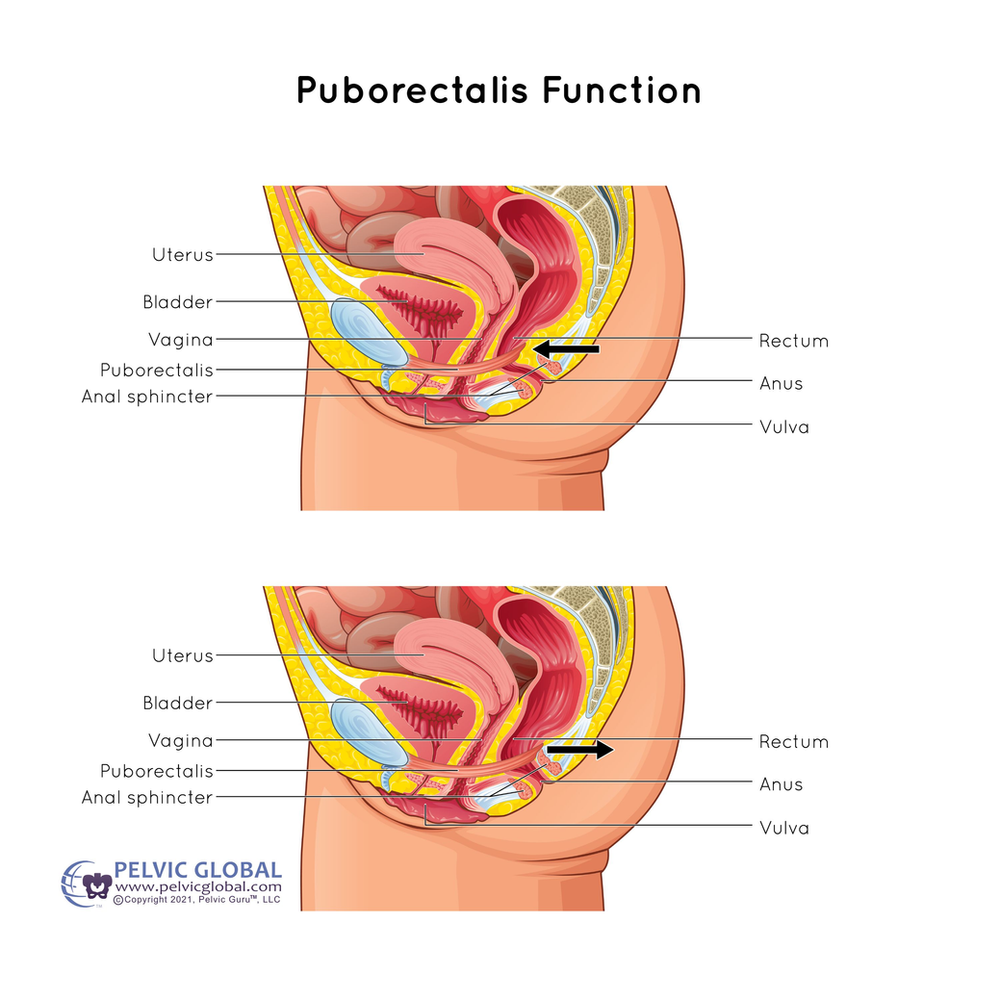
In a word? Both. And it's not a contradiction — it's a pelvic floor thing.
Yes, I really will ask you at your evaluation how you're pooping. How often, is it satisfying (yes, pooping can be very satisfying), and when you're really lucky, I'll ask you again at follow-up. Because these details tell me a lot about fiber intake, muscle function, and hormone balance — and they're one of the clearest windows into how your pelvic floor is actually doing.
So let's talk about the full picture: why a good poop can feel like heaven, why a bad one can feel like torture, and what it all has to do with the muscles sitting at the base of your pelvis.
A great bowel movement hits different. There's a reason for that.
When stool passes, a few things happen at once: the pelvic floor muscles finally get to relax after holding tension all day, pressure comes off the surrounding organs and nerves, and your body registers the release. For a lot of people, that's a genuine feeling of relief — not weird, not gross, just your nervous system doing its job.
When I see someone whose bowel movements are easy, satisfying, and regular, that usually means a few exciting things: they're getting enough fiber, their muscles can relax to let stool out, their hormones probably aren't completely out of whack, and they've actually made a little self-care time to poop comfortably. That's a lot of wins in one trip to the bathroom.
If pooping is regularly painful, that's your body flagging something.
One job of the pelvic floor muscles is bowel and bladder control. When stool enters the rectum, we have a nerve response that tells us if it's solid, liquid, or gas. The muscles adapt to help hold it back and give us time to comfortably get to a restroom.
If the stool doesn't come out during trips to the restroom, the pelvic floor muscles have to keep supporting the extra weight and bulk. That gives them chronic tension, and over time the muscles stop relaxing or stretching well. Now we have a vicious cycle — the poop didn't evacuate, the muscles tightened up to support it, but those tight muscles make it harder for the poop to evacuate, so they need to keep supporting it, and around and around we go.
This is one source of chronic pelvic pain. Common symptoms of this type of pain include:
Pain with penetration during intercourse
Pain with tampon insertion or use
Tailbone pain
Sacroiliac (SI) joint pain
If any of these show up alongside painful or infrequent pooping, they're very likely related.
Almost everything.
The pelvic floor is the hammock of muscles that sits at the base of your pelvis. It holds up your organs, coordinates with your core and diaphragm, and controls the sphincters that decide when to hold and when to release. Those muscles need two things to do their job well: the ability to contract (so you can hold it), and the ability to fully relax (so you can let it go).
When they lose that coordination — usually because they've been tense for too long — pooping becomes work. You push harder. You strain longer. You leave the bathroom feeling like you didn't fully empty. Sometimes you didn't.
This is where pelvic floor physical therapy comes in. A lot of "just constipation" is actually a muscle-coordination problem, and no amount of fiber alone will fix a pelvic floor that doesn't know how to let go.
Yes, more often than people realize.
When I was a brand-new physical therapist, my mentor encouraged me to ask my low back pain patients if they felt they were constipated. Not being a pelvic floor specialist at the time, I thought he was nuts. But I did it. I learned very quickly that well over half of those patients admitted to constipation, and my guess is there were a few more who weren't comfortable mentioning it.
Here's why it matters: if you get regularly constipated, that's physical stuff in your rectum taking up space. There's not a lot of room in your low abdomen to store it for very long, so it starts pressing on the structures around it — the bladder, the vagina, pelvic floor muscles, and nerves. Because it presses on the surrounding muscles, and because storing fecal matter doesn't feel good, the low back often starts to ache chronically.
For this alone, I love talking about bowel function. I strongly believe everyone would feel a little better if we all had daily bowel movements.
A surprising yes — and it happens to both men and women.
Remember that a full rectum presses on surrounding structures, particularly the bladder. Leakage from constipation happens for a few reasons:
Physical crowding. By literally pressing on the bladder, there's not enough room for it to fill. Small amounts of urine leak out — like squeezing a water balloon with a tiny hole in it.
Muscle coordination loss. If the pelvic floor muscles are getting overly tight, they lose their ability to coordinate well. When you need them to engage suddenly — like closing the sphincter during a sneeze — they're too tense to move fast enough, and pee squeezes on out.
Managing constipation is one of the first things I'll look at when someone comes in with leakage. Fix the bowel side of the equation, and the bladder symptoms often calm down too.
It can contribute to it, yes.
If a person chronically has to push down hard to get the stool out, that bearing-down pressure can slowly weaken the muscle support or injure the pelvic floor muscles. Over time, this can contribute to — or worsen symptoms of — pelvic organ prolapse.
Prolapse is when an organ (the bladder, rectum, small intestines, or uterus) protrudes into the vagina. Symptoms include heaviness in the pelvis, pressure sensations, and the feeling of constantly having something in the vagina.
Managing constipation is one of the best tools we have for improving prolapse symptoms. It doesn't cure prolapse on its own, but it takes one of the biggest repeat stressors off a pelvic floor that's already working overtime.
If a few of these sound familiar, it's worth getting evaluated:
You feel like you never fully empty
You have to strain or push hard to go
You go every 2–3 days (or less) and that's your normal
Pooping hurts, or your tailbone aches during or after
You have bladder leakage with sneezing, jumping, or urgency
Sex is painful, especially with penetration
You have chronic low back or SI joint pain that hasn't responded to regular PT
None of these are things you have to just live with. They're all things pelvic floor therapy can work on directly.
A pelvic floor PT session for bowel issues is not just exercises. It's a full look at what's contributing:
Positioning and breathing techniques to help your muscles actually relax on the toilet
Manual therapy to teach the muscles how to let go
Hydration and nutrition discussion, including fiber
Medications — what's working, what isn't, and how to talk to your doctor
Exercises for hip mobility, lumbar support, and colon function
Supplements if appropriate
Long-term habits you can implement at home
The goal isn't to keep you coming to PT forever. It's to figure out what's driving your symptoms and give you the tools to take care of yourself at home for good.
Sooner than you probably think.
You don't need to wait until things are unbearable. If pooping is uncomfortable, infrequent, or feels incomplete on a regular basis — especially if it shows up alongside any of the symptoms above — that's enough reason to book an evaluation.
A is a no-pressure way to find out if pelvic floor PT is a good fit for what's going on.
Is it normal for pooping to feel good?
Yes. A satisfying bowel movement is a sign your pelvic floor muscles relaxed well and pressure released from your surrounding organs and nerves. That feeling of relief is your nervous system doing what it's supposed to do.
Is it normal for pooping to hurt?
No. Occasional hard stools are normal, but regular pain with pooping — tailbone ache, burning, pressure, feeling of incomplete emptying — usually points to a pelvic floor muscle issue that can be treated.
Can pelvic floor therapy help with constipation?
Yes. A lot of chronic constipation is actually a pelvic floor coordination problem. PT addresses positioning, breathing, muscle relaxation, manual therapy, and the broader picture of hydration, nutrition, and habits.
How often should you have a bowel movement?
Ideally daily. If you're going every 2–3 days or longer and that's your "normal," it's worth a conversation — especially if you have other pelvic symptoms.
Does pelvic floor therapy help both men and women with bowel issues?
Yes. Constipation-related bladder leakage and bowel coordination issues affect men and women both, and pelvic floor PT treats both.
If anything here sounded familiar, you don't have to just live with it. Pelvic floor physical therapy can help you get back to comfortable, regular, satisfying bowel movements — and everything that improves along with it.
Book a to learn how pelvic floor therapy can help you reclaim comfort, confidence, and quality of life.
📍 Protea Physical Therapy & Wellness — Anaheim Hills, CA
📞 (909) 265-3584
📧 lesley@protea-therapy.com
Ready to Feel Better?
Book a free discovery call to learn how pelvic floor therapy can help you reclaim comfort, confidence, and quality of life.
Talk to Lesley, FreeNewsletter
Get the latest pelvic health tips, insights, and resources delivered straight to your inbox.
No spam. Unsubscribe anytime.
Keep Reading
Hip pain that keeps coming back isn't always the hip. A pelvic floor PT in Anaheim Hills explains 3 signs your pelvic floor is involved, and what helps.

Painful tampon insertion is common, and it is not in your head. A pelvic floor PT walks through the three usual reasons it happens and what treatment actually looks like.

Endo belly is not just gas. Here is what drives endometriosis bloating, why your diaphragm and pelvic floor are part of it, and what you can try this week.